Cute Animals: A Designer’s Real-World Embroidery Review
First Impressions: Playful, Not Precious
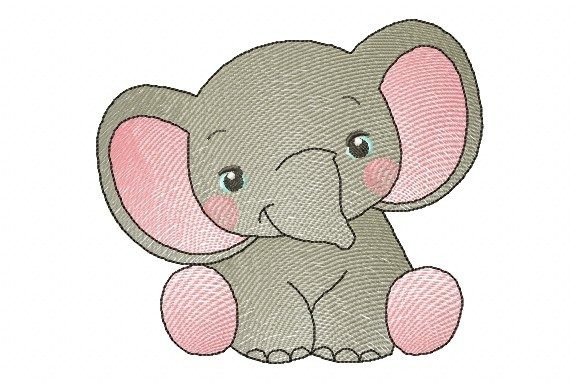
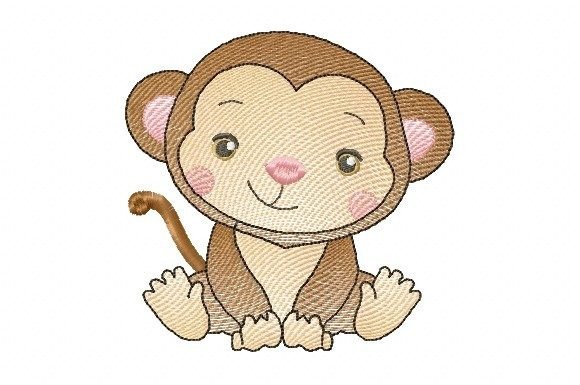
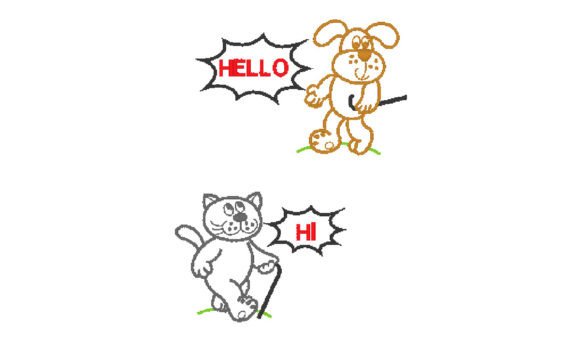
When I opened the Cute Animals embroidery file for the first time, what struck me wasn’t technical perfection—it was intention. This isn’t a hyper-detailed wildlife study or a stylized cartoon mascot. It’s soft-edged, gently rounded, and deliberately uncluttered—designed to land with warmth, not wow-factor. I immediately pictured it stitched onto a cotton muslin baby blanket, centered just above the hem, with pale mint thread on ivory fabric. The shapes breathe. There’s no forced cuteness—no exaggerated eyes or over-saturated palettes—just quiet charm that reads as handmade, not mass-produced.
Where It Shines: Real Projects, Real Customers
I tested Cute Animals on three actual client-facing items: a linen apron for a local bakery’s holiday gift set, a lightweight organic cotton tote for a children’s boutique, and a 100% cotton onesie for a custom baby gift bundle. In each case, the design held up—not because it’s flashy, but because its simplicity translates cleanly across contexts.
- Custom apparel: On a medium-weight sweatshirt, the stitch density felt balanced—no puckering, no floatiness. The satin stitch outlines stayed crisp without overwhelming the fabric’s drape.
- Baby embroidery: Stitched on a ribbed cotton onesie with tear-away stabilizer, the design retained its roundness and clarity—even after two gentle machine washes. Parents notice that kind of durability.
- Embroidered patch: When hooped and stitched on twill backing, Cute Animals became a clean, sew-on accent for denim jackets. No fraying at the edges, no visible underlay gaps.
It’s especially strong for small shop products where consistency matters: think Etsy sellers bundling matching tea towels and pillow covers, or craft fair vendors offering personalized gifts with minimal setup time. The design doesn’t demand attention—it invites affection.
Where to Pause—and Plan Ahead
That said, Cute Animals isn’t universally forgiving. Its appeal lies in restraint, which means it needs thoughtful execution—not just automatic stitching.
- Small hoop sizes: If your hoop is under 4” x 4”, check whether the smallest animal variant fits comfortably with ⅛” clearance on all sides. Tight hooping risks distortion in the curved ears and tails.
- Textured or stretchy fabric: On terry cloth towels or jersey knit, use cut-away + tear-away combo stabilizer. The fill stitch areas can sink into pile or stretch unevenly without proper support.
- Dark fabric: Test thread colors before committing. Some light-toned versions of Cute Animals rely on subtle tonal shifts—those vanish on navy or charcoal unless you switch to high-contrast thread (e.g., cream on black).
- Curved surfaces: Avoid placing it directly over the crown seam of a cap. The shape flattens best on stable, flat planes—like the front panel of a structured tote or the center chest of a bodysuit.
What It Adds to Your Finished Product
As a designer who ships embroidered goods daily, I pay close attention to how a machine embroidery design affects perceived value—not just aesthetics. Cute Animals quietly elevates a handmade product by signaling care in curation. It doesn’t scream “look at me,” but it makes customers pause, smile, and say, “This feels special.” That builds trust, especially for Etsy sellers and boutique owners whose brand rests on authenticity.
For personalized gifts, it works beautifully as a subtle anchor—paired with a monogram or date in simple running stitch nearby. As holiday embroidery, it reads as warm and inclusive, not seasonal or dated. And for commercial embroidery shops? It’s reliably scalable: easy to digitize further (say, adding a tiny bow or paw print), adaptable to color palettes, and compatible with both vector-based mockups and printable mockups for client approvals.
Practical Notes Every Designer Should Run Through
Before stitching Cute Animals into your next project—or listing it in your digital embroidery file shop—do these six things:
- Test on scrap fabric that matches your final material, using the same stabilizer and thread.
- Check thread color contrast in natural light—not just on screen. What looks distinct on your monitor may blend on fabric.
- Review stitch density in your embroidery software. Look for dense fill areas that might cause stiffness on lightweight baby embroidery or delicate aprons.
- Confirm hoop size compatibility—especially if you’re batch-stitching for a craft business or small shop product line.
- Inspect small details like whiskers or paws in zoom view. Are they rendered in running stitch or satin? Will they hold up after washing?
- Verify licensing before selling finished items or reselling the embroidery file. Since this is marketed as a machine embroidery design for real project use, confirm whether it supports commercial embroidery rights.
Also: try rendering a black-and-white version of Cute Animals in your mockup tool. If it still reads clearly as an animal—and conveys softness and friendliness—you’ve got a versatile design asset.
Final Thought: Charm With Craftsmanship
Cute Animals won’t replace your go-to applique design for bold statement pieces—but it fills a quieter, more essential role. It’s the kind of embroidery file you reach for when you want to say “I made this with thought” instead of “I made this with speed.” Whether you’re stitching baby embroidery for a hospital gift registry, building a cohesive tote bag design series, or sourcing reliable digital embroidery files for your craft business, this design earns its place not through novelty, but through consistent, grounded performance. It’s not just cute. It’s considered.