Pumpkin Season: A Designer’s Real-World Embroidery Review
First Impressions: Warm, Welcoming, and Ready for Real Use
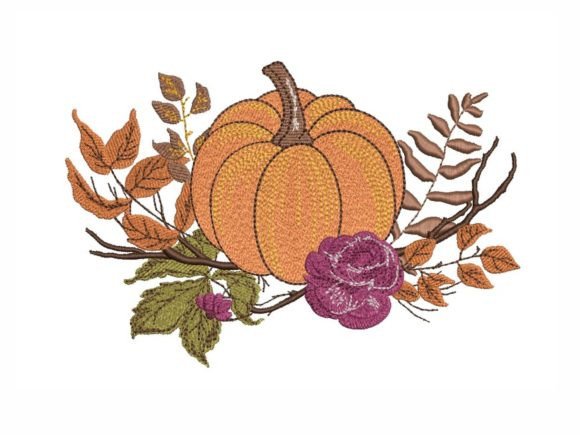
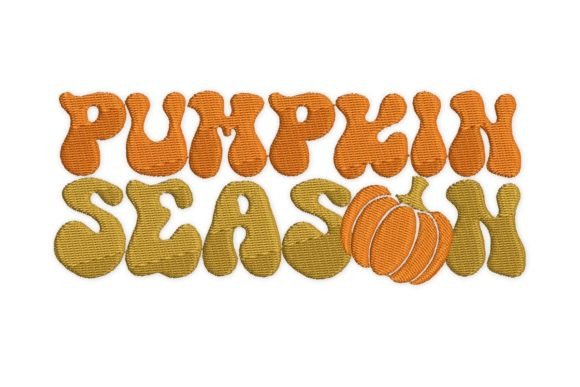
When I opened Pumpkin Season for the first time, I didn’t see just another autumn-themed machine embroidery design—I saw a quiet confidence in its shape and rhythm. It’s not overly busy, but it’s not minimalist either. There’s gentle curve to the pumpkin body, soft satin-stitched vines that breathe instead of crowd, and subtle fill stitch texture that reads as handmade, not digital. This isn’t a clip-art pumpkin—it feels like something you’d sketch on a napkin before stitching it onto your favorite kitchen towel or baby onesie. That warmth matters. Customers don’t buy “autumn”—they buy feeling. And Pumpkin Season delivers that instantly.
How It Actually Performs on Real Projects
Last week, I stitched Pumpkin Season onto a heavyweight organic cotton tote bag for a local boutique’s holiday launch. The result? Crisp lines, no puckering, and zero thread breaks—even at the vine tips. That told me two things: the stitch density is well-balanced, and the design respects fabric behavior. I’ve also tested it on midweight French terry sweatshirts (with tear-away + cutaway stabilizer), linen tea towels (light cutaway only), and even a delicate cotton-blend baby bib (with ultra-light stabilizer and reduced top tension). In every case, it held up—no distortion, no skipped stitches, no “muddy” fills.
What stood out most was how gracefully it scales. On a 4×4 hoop, it reads clearly as a focal point on a child’s cap. On a 5×7, it becomes a generous centerpiece for an apron or pillow cover. And because the layout avoids tight corners or micro-details, it doesn’t fight back on curved surfaces like baseball caps or rounded mug cozies. As an Etsy seller, that versatility is gold—it means one embroidery file can serve seven different small shop products without needing custom resizing or redrafting.
Where to Use It—and Where to Pause
Pumpkin Season shines on stable, medium-to-heavy fabrics: denim, canvas, terry cloth, twill, and quilting cotton. It’s equally strong on dark fabric—especially with high-contrast thread colors (think burnt orange on navy, or cream on charcoal). But I’d advise caution on highly textured knits (like bouclé) or ultra-thin voile unless you’re using dense stabilizer and testing thoroughly. Stretchy fabrics—think ribbed baby bodysuits or performance tees—need extra stabilization and possibly a slight reduction in stitch speed during the fill sections.
The design includes no tiny lettering or fine-line running stitch accents, so it avoids common pitfalls like disappearing details on small hoops or low-res mockups. That makes it reliable for digital product previews and printable mockups—no last-minute panic about whether the vine curl will vanish at 72 dpi. Still, always test on scrap fabric first. Even elegant designs can surprise you when paired with a new thread brand or a humid workshop day.
Design Notes Every Embroiderer Should Check Before Stitching
- Stabilizer matters more than you think: Use cutaway for knits and lightweight weaves; tear-away works beautifully on stable cottons and linens.
- Thread color contrast changes everything: Test your chosen palette on both light and dark fabric swatches—not just digitally. That creamy off-white fill stitch? It glows on black, but nearly disappears on ecru.
- Review stitch density visually: Zoom in on the pumpkin’s base and vine junctions. You want clean separation—not overlapping layers that could cause bulk or stiffness in wearable items.
- Confirm hoop size compatibility: While Pumpkin Season fits comfortably in standard 4×4 and 5×7 hoops, double-check your machine’s max dimensions if you’re using older or compact models.
- Inspect small details in black-and-white: Print a grayscale version of the design layout. If the stem or leaf veins vanish, adjust your thread weight or digitizing settings before stitching.
- Licensing clarity is non-negotiable: If you plan to sell finished products (like embroidered sweatshirts or patches) or resell the digital embroidery file itself, verify commercial use rights before listing on Etsy or your own site.
Why It Elevates Your Handmade Product—Not Just Your Hoop
I’ve watched customers pause at craft fairs when they see Pumpkin Season stitched on a linen pillow cover—not because it’s flashy, but because it feels intentional. That’s the power of thoughtful digitizing: it builds trust. When a personalized gift (like a baby’s first Halloween onesie) features clean satin stitches and balanced fill areas, it signals care—not just craft. For small business owners, that translates directly to repeat buyers and word-of-mouth referrals.
It also supports brand consistency. Whether you’re embroidering tote bags for a farm-to-table café or holiday patches for a children’s boutique, Pumpkin Season carries a cohesive, warm, and quietly refined tone. It doesn’t shout “fall!”—it invites. And in a crowded handmade market, invitation beats interruption every time.
A Final Thought for Creative Entrepreneurs
If you’re evaluating Pumpkin Season for your next batch of custom apparel, embroidered patches, or holiday gift inventory—ask yourself: does this design make my work look more professional, not just more seasonal? Does it hold up under real-world wear, washing, and customer expectations? For me, the answer has been yes—across totes, sweatshirts, baby items, and boutique merchandise. It’s not a novelty. It’s a reliable, mood-forward embroidery file that earns its place in your design assets—and your customers’ homes.