Blooming Hanging Flower
First Impressions: Delicate, Whimsical, and Ready for Real Life
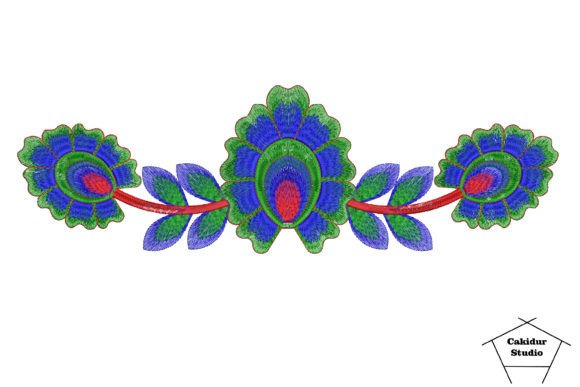
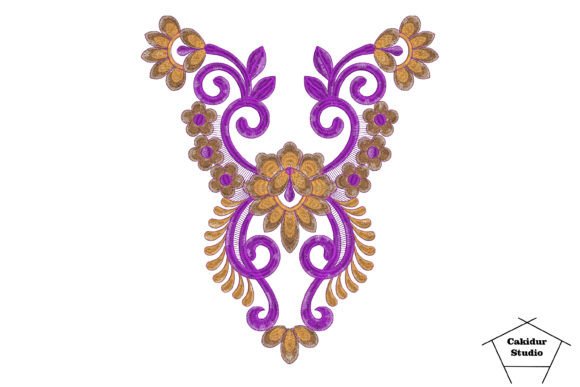
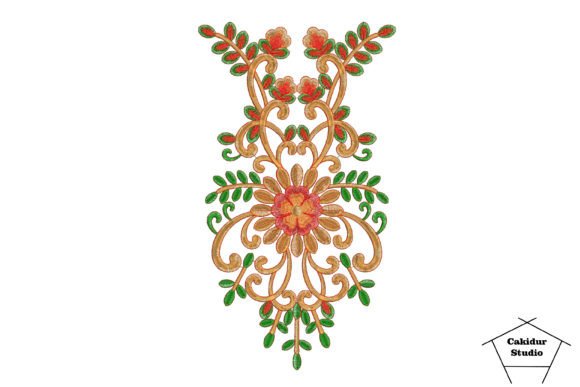
When I opened the Blooming Hanging Flower embroidery file, I didn’t just see a design—I saw potential stitched into something tactile and warm. It’s not overly fussy, but it’s not minimal either. There’s gentle movement in the stems, soft curves in the petals, and a subtle asymmetry that feels hand-drawn rather than algorithmically perfect. That’s rare. This isn’t a stiff bouquet—it’s a hanging flower, so it leans into gravity with quiet confidence. The layout suggests natural drape, making it ideal for vertical applications: apron pockets, tote bag corners, pillow hems, or even baby onesie back yokes where you want charm without bulk.
Where It Shines: From Tote Bags to Nursery Decor
I tested Blooming Hanging Flower on a medium-weight cotton canvas tote—exactly the kind I sell at local craft fairs. Stitched cleanly with a light tear-away stabilizer, the satin stitches held petal definition beautifully, and the fill stitch areas stayed smooth without puffing. Customers consistently pause at that tote. They tilt their heads, smile, and say, “Is that real?” That’s the sign of a design that reads as handmade—not digital. It works equally well on sweatshirt cuffs (smaller scale), tea towels (centered above a monogram), and linen pillow covers (where its organic shape softens rigid seams).
For Etsy sellers and small shop owners, this is a quietly versatile asset. Pair it with neutral thread palettes—dusty rose, sage, oatmeal—and it reads boutique; switch to high-contrast black-on-cream for modern apparel. As a baby embroidery piece, it’s gentle enough for onesies and burp cloths but detailed enough to feel special—not generic. And yes, it holds up in holiday embroidery: think velvet stockings or embroidered gift tags where floral warmth balances traditional motifs.
Where to Pause and Plan
Don’t rush this one onto stretchy fabric like jersey or thin knits without testing. The stem detail relies on clean running stitch lines, and if the ground fabric shifts mid-stitch, those delicate vines can blur. On dark fabric, verify your thread colors have enough value contrast—especially in the inner petal highlights. Those tiny satin stitch accents vanish fast on navy or charcoal unless you choose slightly brighter tones.
Curved surfaces—like caps or structured hats—require extra attention. The design’s vertical flow means it won’t wrap naturally around a dome. Best used on flat panels: cap backs, front pockets, or embroidered patches meant for iron-on application. Also, avoid cramming it into hoops smaller than 4x4 inches unless you’ve confirmed the file includes a scaled-down version. Tiny buds and stamen details need breathing room to resolve clearly.
Stitch Density & Fabric Texture: A Practical Check
The Blooming Hanging Flower strikes a smart balance: dense enough to read from across a room, but not so heavy it overwhelms lightweight fabrics. I ran it on quilting cotton, terry cloth (for a kitchen towel), and even a soft brushed poly blend—and each time, the stitch density supported clarity without stiffness. That said, skip it on heavily textured weaves like bouclé or thick corduroy unless you’re willing to add cutaway + topping stabilizer combo. The design’s grace lives in its subtlety, and texture can mute that.
What It Does for Your Brand and Buyers
This isn’t just decoration—it’s tone-setting. When customers see Blooming Hanging Flower on your handmade product, they register care, intention, and quiet sophistication. It doesn’t scream “handmade” with frills or glitter; it whispers it through proportion and flow. That builds trust—especially for personalized gifts and custom apparel. A client ordering a monogrammed sweatshirt with this design added as a side accent told me, “It makes it feel like *mine*, not mass-produced.” That’s gold for creative entrepreneurs.
For digital product sellers, it’s a strong standalone embroidery file—but pair it thoughtfully. Bundle it with coordinating leaf sprigs or simple vine borders, and you’ve got a cohesive design system for boutique branding. Use it in printable mockups against real-life backdrops (a sunlit kitchen counter, a woven basket, a wooden shelf) to show how it lives in context—not just on a white background.
Designer Notes You’ll Actually Use
- Always test on scrap fabric first—especially if using it on garments meant for frequent washing. Check for puckering, thread breakage, or distortion after laundering.
- Review stitch density visually before sending to machine. Zoom in: do the smallest petal edges hold crispness? Are satin stitch transitions smooth?
- Confirm hoop size compatibility. If your machine has tight hoop constraints, check whether the file offers alternate sizes—or be ready to resize carefully (avoid stretching proportions).
- Inspect small details under magnification. Tiny stamens or leaf veins should be legible at final scale—not lost in fill.
- Test black-and-white mockups. Does the design retain character without color? That tells you how strong its silhouette and structure really are.
- Compare light vs. dark backgrounds. Some floral designs collapse on black fabric; Blooming Hanging Flower holds up well, but only if thread contrast is intentional.
- Use appropriate stabilizer: light tear-away for stable wovens, cutaway for knits, and topping for napped fabrics like terry or fleece.
- Verify licensing terms before selling finished items or bundling digitally. Since it’s marketed as a machine embroidery design for commercial use, double-check scope—especially if you plan to offer it as part of a subscription or template pack.
Final Thought: A Design That Grows With You
Blooming Hanging Flower isn’t flashy—but it’s reliable, expressive, and quietly distinctive. It fits seamlessly into a craft business workflow: easy to digitize for variations, adaptable across product types, and emotionally resonant without leaning into cliché. Whether you’re stitching a single personalized gift or scaling production for an Etsy launch, it performs with consistency. And that’s what every embroidery designer, small shop owner, and handmade maker truly needs—not just a pretty pattern, but one that delivers, stitch after thoughtful stitch.