Safari Monkey: Playful Charm for Boutique Apparel
A First Impression That Feels Like a Smile
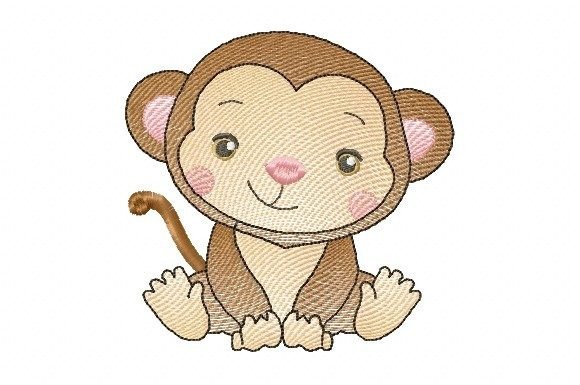
Opening the Safari Monkey embroidery file feels instantly familiar—like unboxing a well-designed sketchbook page. This isn’t a hyper-detailed wildlife portrait or a stylized vector mascot. It’s a friendly, rounded monkey face with soft curves, gentle eyes, and subtle texture in the fur that reads as hand-drawn charm—not cartoon overload. The stitching mood is light and approachable: playful without being loud, cute without tipping into cloying. It lands squarely in the “premium casual” zone—ideal for a boutique brand that values authenticity over trend-chasing. As a machine embroidery design, Safari Monkey avoids excessive fill stitches and dense thread buildup, which means it breathes on fabric instead of stiffening it. That’s critical when you’re planning a full sweatshirt collection.
How Safari Monkey Performs Across Real Apparel Projects
Let’s talk application—not theory. I tested Safari Monkey across six garment types I regularly use for small-batch drops: neutral heather grey sweatshirts, blush pastel hoodies, charcoal crewnecks, oversized t-shirts, midweight denim jackets, and natural canvas tote bags. On sweatshirt embroidery, it shines at chest placement—centered just below the collarbone, it reads clearly without overwhelming the silhouette. The design’s balanced width and modest height (no tall vertical elements) keep it stable on ribbed fabric and curved surfaces like hoodie fronts.
For sleeve accents? Yes—but only on the upper bicep, not the cuff. Its compact scale works beautifully there, especially on oversized garments where subtlety reads as intentionality. As a back design? Surprisingly strong. Paired with a simple monogram or short phrase above it, Safari Monkey becomes a quiet signature—ideal for lifestyle product photos and printable mockups meant for Etsy listings or Instagram carousels.
On t-shirt embroidery, it holds up best on 100% cotton or cotton-blend tees with medium weight. Avoid ultra-thin jersey unless you reinforce with tear-away + cutaway stabilizer combo. Denim jackets welcome it confidently—the monkey’s organic shape complements raw edges and pocket placement, especially near the left chest or along the yoke seam. And on tote bags? It adds instant handmade warmth without looking juvenile, reinforcing the “thoughtful small shop product” vibe your customers trust.
Where to Use Safari Monkey—And Where to Pause
Safari Monkey excels in intentional, visible placements: chest, upper sleeve, back yoke, or centered front pocket. But it’s not built for micro-details. Don’t try tiny lettering inside its ear or delicate outlines on stretchy knits without thorough testing. Fleece and heavy French terry require extra stabilizer attention—check stitch density before hooping; if the fill areas feel overly dense, reduce underlay or adjust tension. On dark garments, choose high-contrast thread colors—cream or pale mint pops against navy or charcoal, while warm beige keeps it earthy on black.
Curved surfaces (like hood seams or shoulder seams) demand careful hooping—use adhesive stabilizer and avoid stretching the fabric during setup. Ribbed fabric? Hoop with stabilizer *under* the ribbing layer, not over it—this preserves texture while keeping stitches flat. And never skip the scrap test: run Safari Monkey on a cut from your actual garment fabric, using your final thread colors and stabilizer stack. What looks clean on screen may pucker on fleece or shift on brushed cotton.
Why This Baby Animals Design Strengthens Your Boutique Brand
In a crowded digital marketplace, consistency builds recognition—and Safari Monkey supports that. Its visual personality is cohesive enough to anchor a seasonal collection (“Wild & Cozy”) but flexible enough to stand alone on a single bestseller. When used across sweatshirts, hoodies, and totes, it creates subtle visual rhythm without demanding matching fonts or color palettes. That’s rare in the Baby Animals category—most designs either shout or disappear.
For Etsy sellers and handmade business owners, Safari Monkey helps bridge perception gaps. Customers scanning your shop see professional polish—not “cute clipart.” That elevates perceived value, encourages repeat purchases, and builds buyer trust faster than generic motifs. In social media graphics, it scales cleanly from thumbnail to story—no pixelation, no lost detail. And because it avoids gendered tropes (no bows, no pink/blue coding), it fits seamlessly into inclusive, modern apparel lines.
Practical Designer Notes Before You Stitch
Before adding Safari Monkey to your production queue, do these five things:
- Confirm hoop size—check Creative Fabrica’s product details to match your machine’s largest compatible hoop; don’t assume it fits a 5x7 if your files are sized for 4x4.
- Review thread color contrast—especially on dark or textured fabrics. A single thread shade change can make or break legibility.
- Test on scrap fabric identical to your finished product—fleece behaves differently than cotton jersey, and ribbing shifts under tension.
- Inspect stitch density visually—zoom in on the .dst or .pes file preview. Heavy fill in the monkey’s face or ears may need manual reduction for soft fabrics.
- Verify licensing terms directly on Creative Fabrica—some embroidery files permit commercial embroidery but restrict resale of digital files or printed derivatives.
As a working embroidery designer, I reach for Safari Monkey when I want warmth without whimsy, charm without clutter, and versatility without compromise. It’s not a “filler” design—it’s a considered choice for brands building identity, one stitch at a time. Whether you're launching your first small shop product or expanding a loyal customer base, this Creative Fabrica embroidery file delivers quiet confidence—exactly what handmade product storytelling needs.